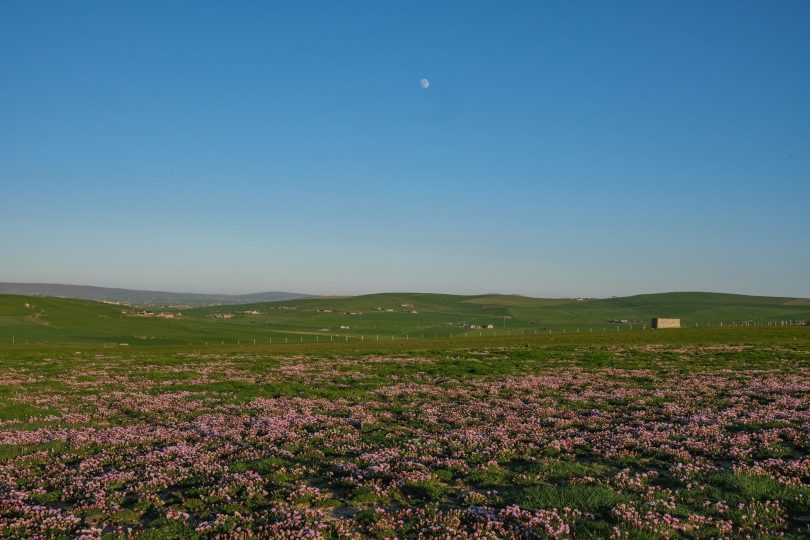


The late October evening was wild. A gale from the west battered the old stone farmhouse where it stood high and exposed above the open Marwick valley. As a girl of five years old I watched my grandfather, Peter Adamson, bed down in the stable straw beside his brown ploughing mare Judy. She lay in the dim light on her side as grandad pulled a rug over her belly and stroked her sweating shoulders. “There, there, my bonny lass,” he whispered, “Easy. Easy now.”
It was the early 1950s and Judy, my grandfather’s faithful shire, was dying that night. She had been his faithful ploughing companion for twenty years or more and had worked the land at Marwick with him along with his other shire stallion, Punch. Grandfather would not be leaving Judy that night.

“Away you go, peedie budda. Away in to your Granny in the house,” he instructed me.  He was a man of few words but I recall they were always kind and affectionate. I was old enough to sense the seriousness of the situation for Judy and cast a last sorrowful look at her majestic form as she whinnied her pain. Back in the enveloping warmth of the farmhouse kitchen my grandmother, Mary, gathered me to her ample bosom allowing a child’s tears of sorrow. Reassuringly the kettle was still singing its usual magic on the old black peat stove filling the ancient stone-floored kitchen with a soothing sweetness. I would spend the night tucked comfortingly behind my grandmother’s back in the snug boxed bed in the kitchen recess.
A small grey Massey Ferguson
These early vivid memories of my grandparents and their small farm at Marwick in Birsay endure across the years to a time when Orkney country life was hard but simple and unspoiled by today’s more ambitious standards with all its complexities and undermining eco-logistics. Ordinary folk were content with much less materially although my grandparents had to work hard on their 30 acres supporting around a dozen beef cattle, three milking cows, two full henhouses and many fields of oats, neeps and tatties. I was involved in milking the cows and feeding the hens, collecting and cleaning eggs for the Milk Marketing Board’s weekly van and feeding feral kittens in the barn.  Such exciting employment for a grand-daughter of between five and ten years old.  The passing of Judy precipitated the acquirement of grandad’s first tractor, a small grey Massey Ferguson which I remember resenting as old Punch was retired out to pasture.

Not much else changed on the farm during that decade. My grandmother continued to manage without running tap water, relying instead on shiny pails of pumped fresh clean water from a well just outside the door.  Grandad died digging a trench for her to have running water from the nearest supply at the age of 70. I remember the cool, clean well-water on a summer’s afternoon mixed with juice and enjoying my grandmother’s home-baked pancakes and scones, smothered of course in home-made plum or rhubarb jam. Granny made her own butter, Orkney cheeses and floury bannocks. A simple life wanting for nothing.
Summer time and harvest
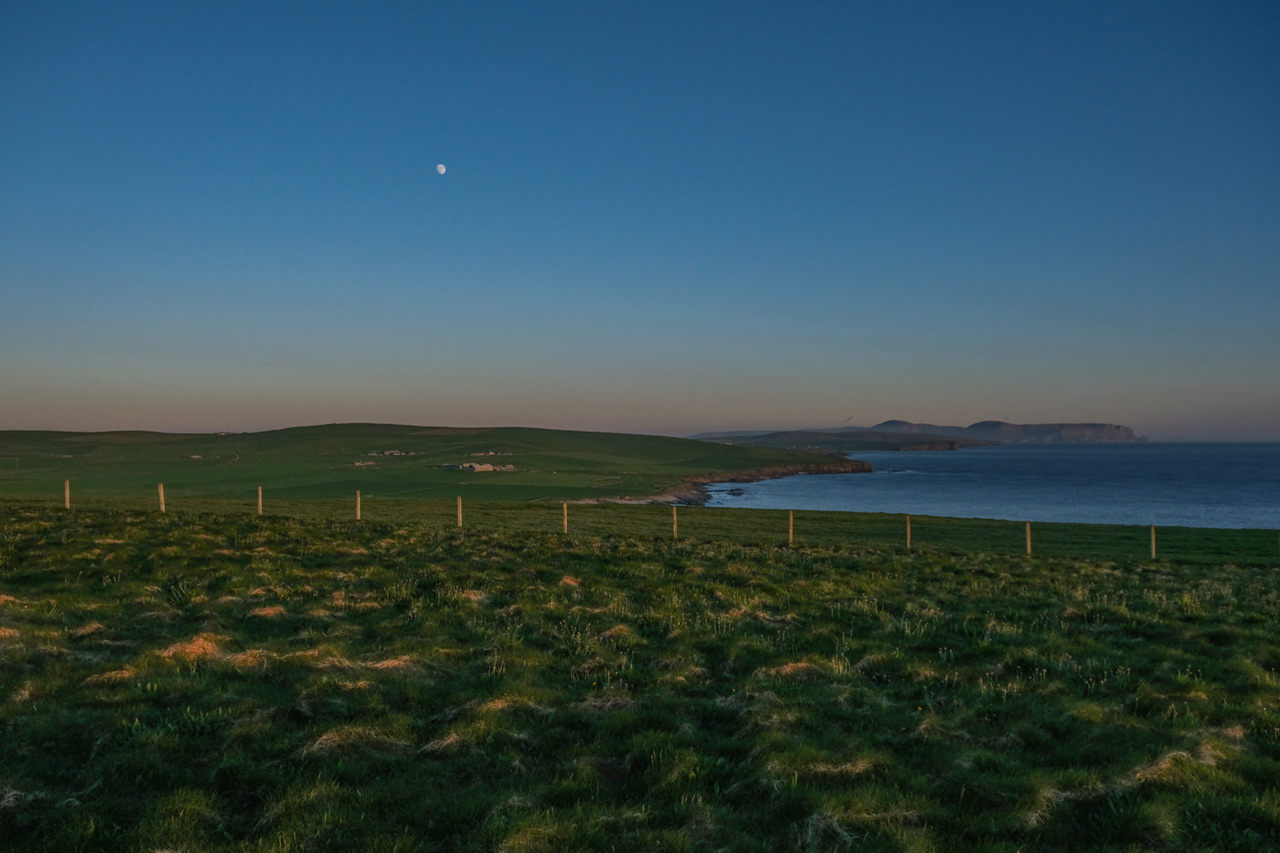
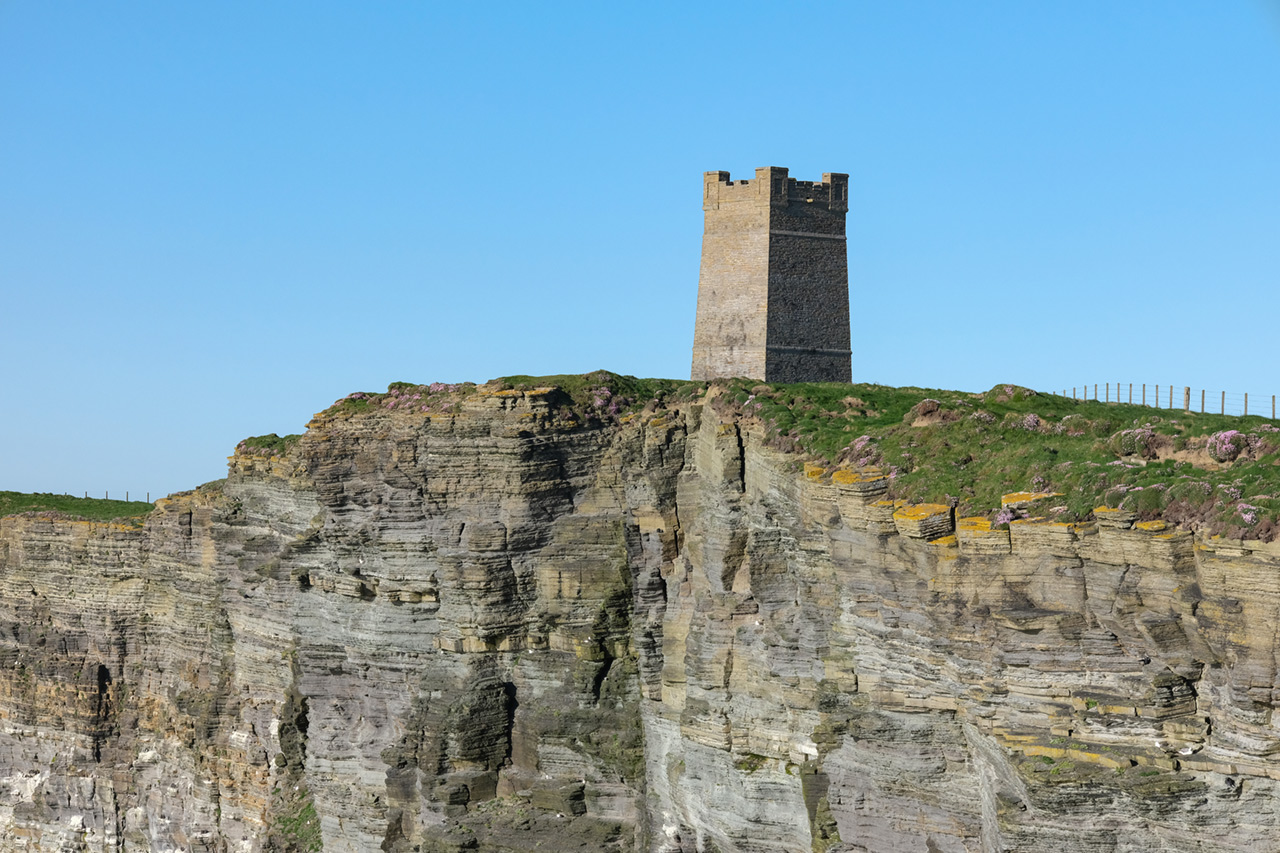
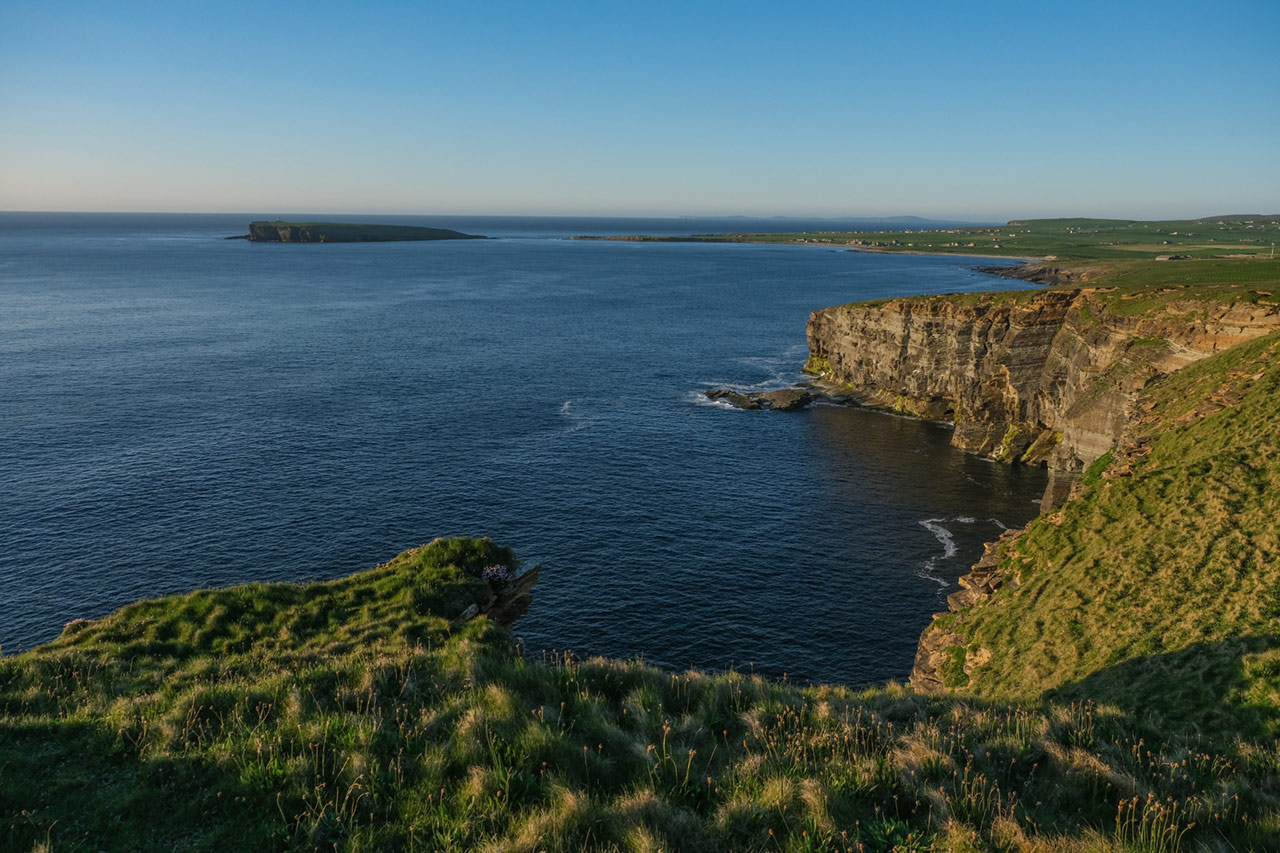
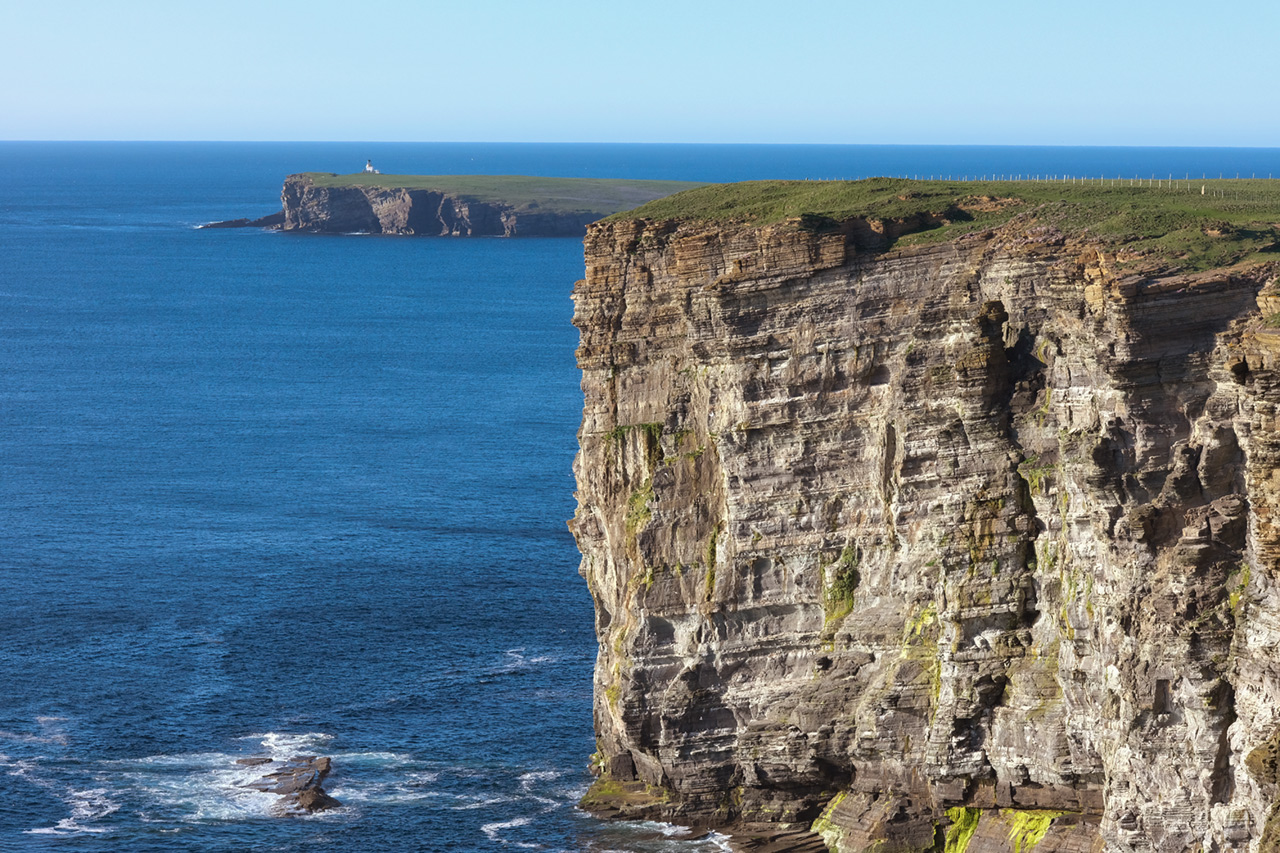
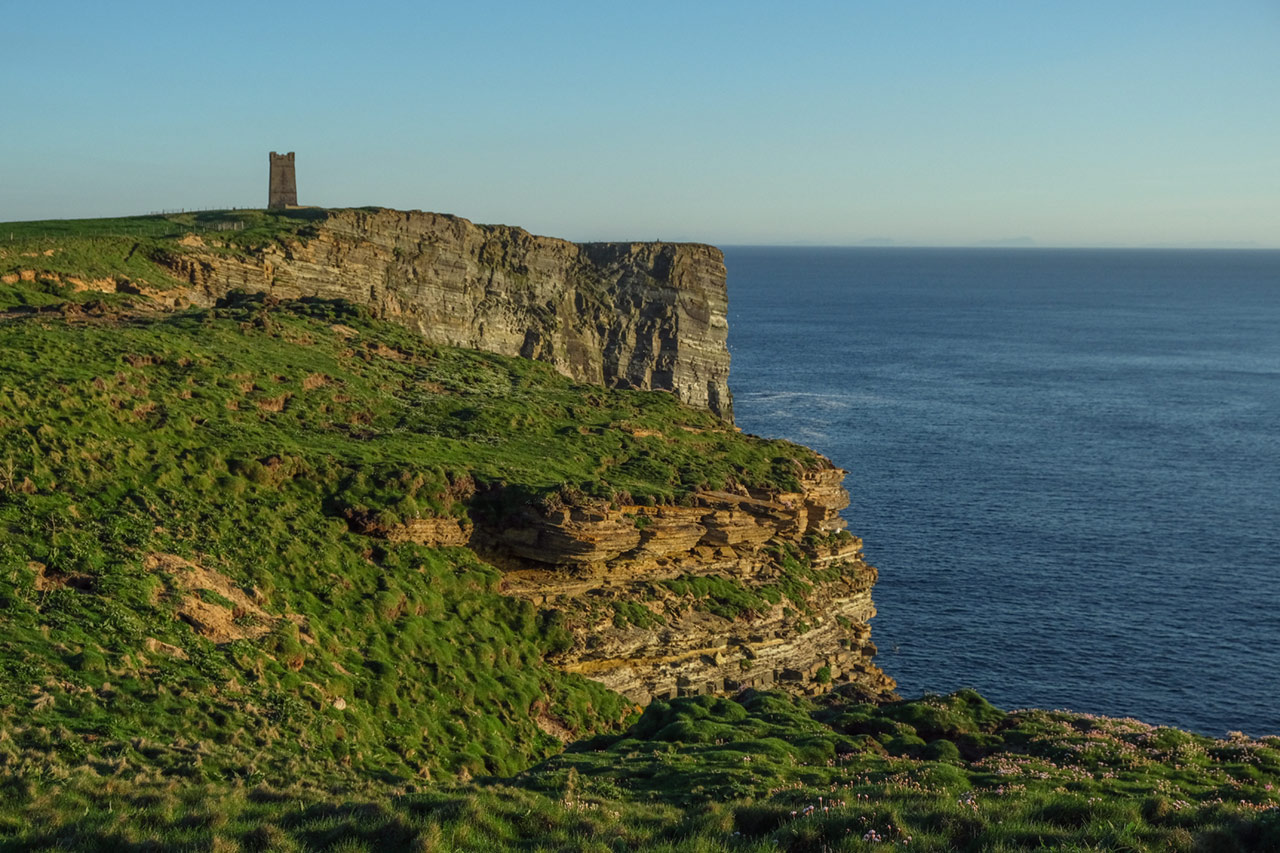
Summer holidays were spent at Marwick enjoying the fresh Orkney air sweeping in from the Marwick shore and listening to the cries of larks and lapwings which abounded in those distant days. On occasions my father would take me on granddad’s hill near Kitchener’s Memorial (built by my grandfather and other local farmers during the First World War). We would find a lapwing’s nest scraped in the open ground and visit it again to find lapwing chicks.

Harvesting was a huge task of much manual labour, hand forking sheaves into carts and building tall stacks of hay and oats in the back yard for animal fodder and bedding throughout the winter months. At some point, a day would be spent in the Evie hills where grandad had a strip of peat waiting to be cut to provide heat for warmth and cooking during the winter months. I don’t remember my grandparents having a day off in their lives except on a Sunday when grandfather would change out of his usual blue serge dungarees and rough sweater into a black suit and ride by bicycle to the church at Birsay.
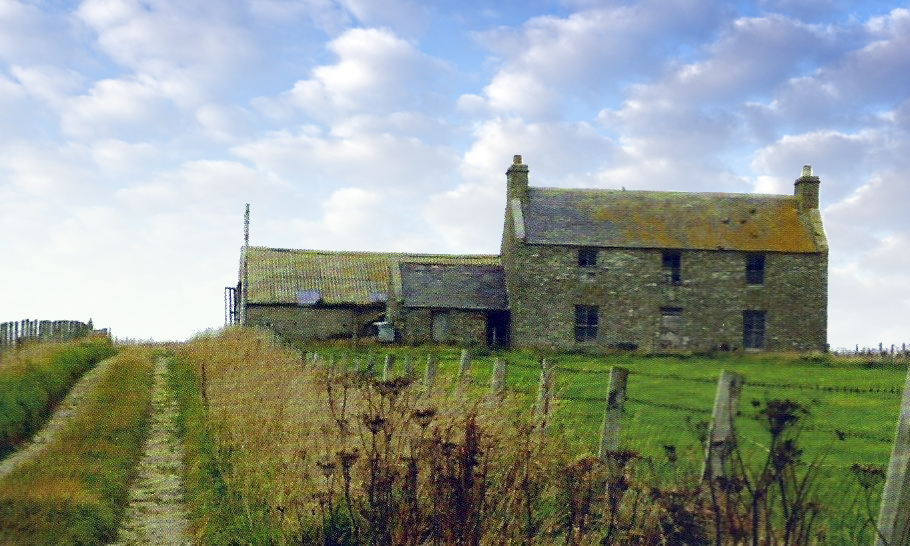
Today Marwick House stands empty, derelict and windblown, its broken-down windows overlook the open valley ahead. The old iron stove remains black and cold in the kitchen, no Punch and Judy occupy the empty stable. Creels and lobster pots lie strewn around granny’s much loved kitchen and in place of the cosy box-bed and homely atmosphere. I will always remain fulfilled by my enchanting Marwick memories. No words can describe those ancient times better than those of George Mackay Brown who entitled a book of his, A Time to Keep. For me it was and always will be.