
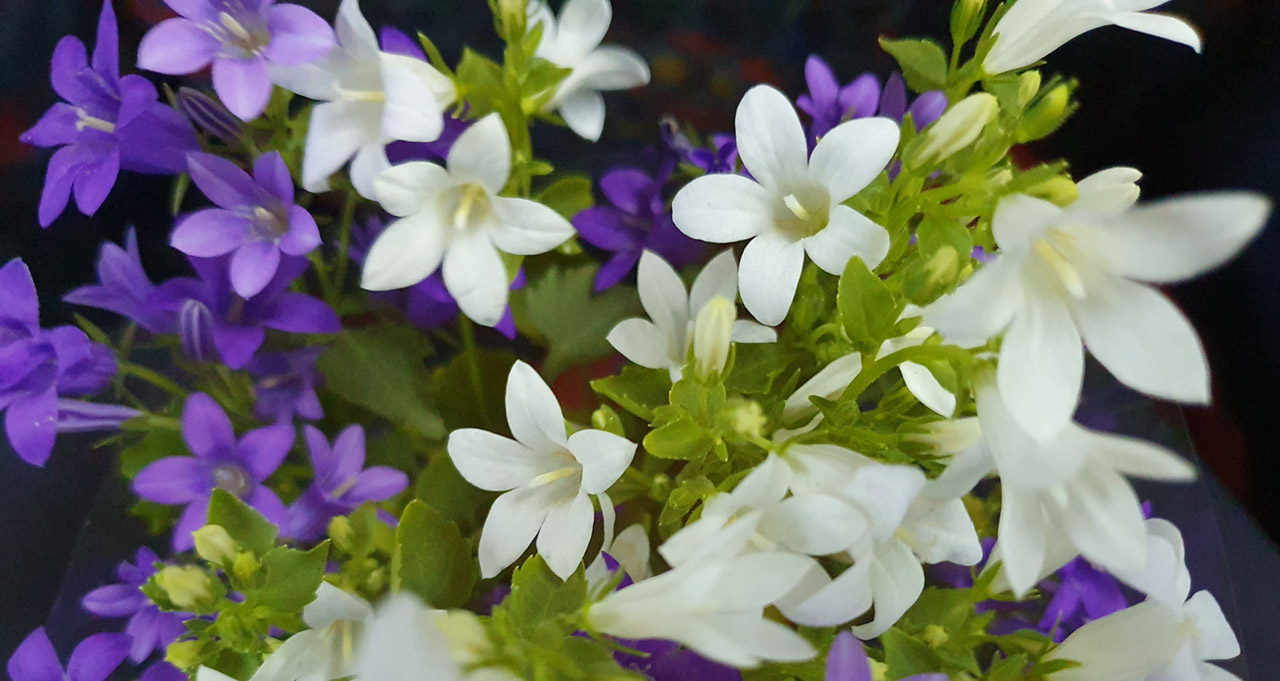
We’re just back from London and I walked down the streets trailing my hands through aromatic salvias, noticing the choisya here flowering in November, their little white star flowers. When you crush the leaves of both plants they smell potent. My daughter, who is 15, is frustrated and irritated by the attention I give to the plants and she says: “Why do you like plants so much?”
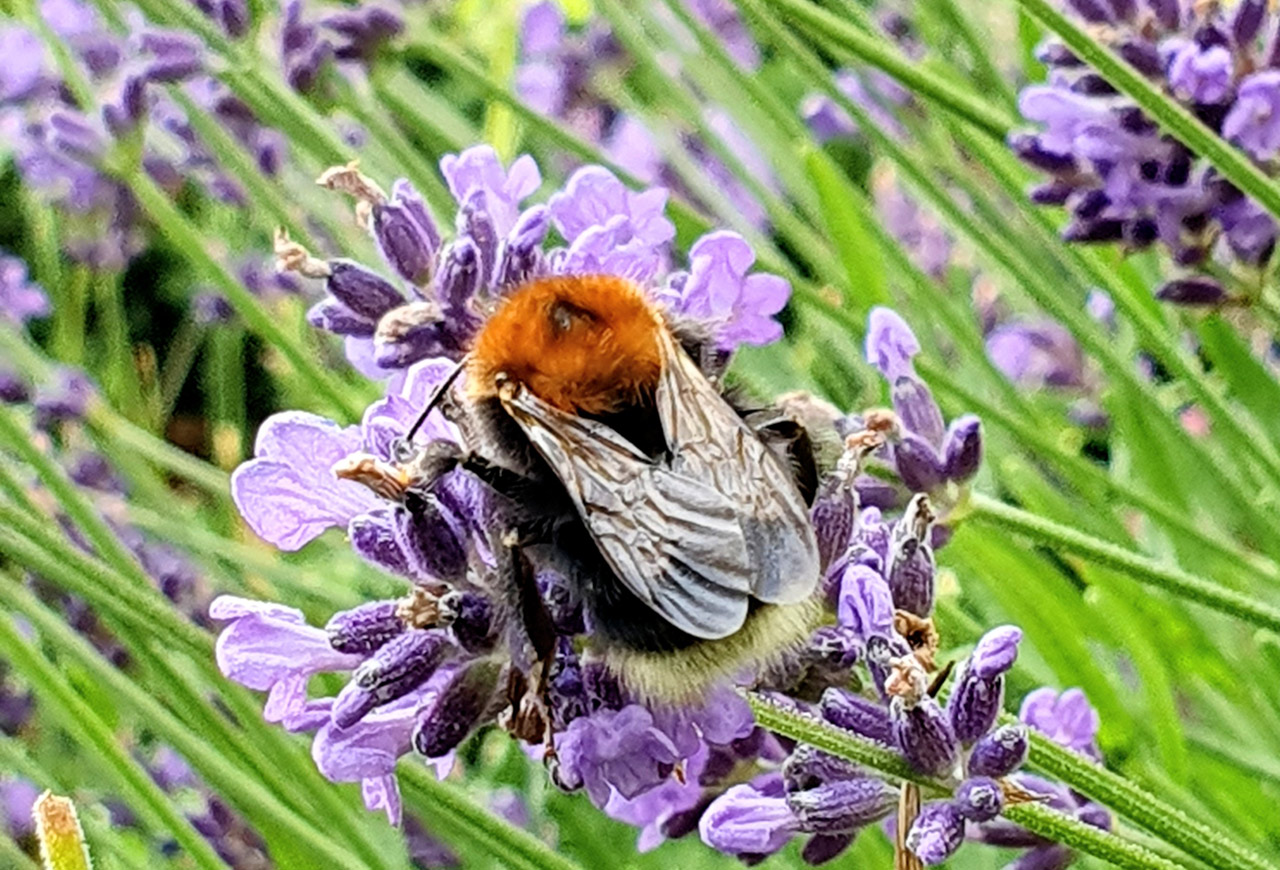
It’s a question that I don’t have an immediate answer for. I could have said something like because they’re nice, because they’re pretty but it’s more. Our walk continues and I see an erigeron daisy, then lavender, and I realised with each of these plants I have a deep and intimate relationship, and they make me feel good. Like a human friend, you know what they do and do not like. I replied to my daughter a day later:
I like plants so much because they’re my friends and I have a deep relationship with them, a joyful connection with these, can I say beings, who give me so much as I understand them in how they relate to the world around them.”
Of course, saying this to a 15-year-old didn’t cut much mustard and I remember being the same age at school studying plant biology and ecology and finding it all so incredibly boring. My teenage brain was uninspired, the subject drained of any life or vitality. When you dissect a stem and have to label the chloroplasts and the chlorophyll and the xylem and phloem, to reduce these incredible living entities to their separate parts of scientific reduction, is life-diminishing. My relationship with plants now touches the ethereal thing of life as an invisible and emotional bond as I feel them wrapping themselves around my existence.
Something we grow into
On the train back from London, I began reading one of my daughter’s books. One of the characters is a young woman from Tokyo who was born with an ability to directly communicate with plants, to be able to accelerate their growth. The plants talk to her, call her mother, and I smiled and thought how absolutely wonderful, because this is the archetype of the utter, green-fingered person. Interestingly in the book, the teen character doesn’t want to have the gift of being able to communicate with plants.
And maybe it is something that we grow into. Plants grow on us and we grow with them. Today, for me, gardening can be quietly radical. This kind of gardening is living according to values that support life, based on dedication, commitment and resilience. It involves helping other people and is a fusion of art and science. It’s good, physical hard work, which is essential for a balanced and healthy mindset, and you can even get some yoga moves in like warrior pose as you lunge into a flower bed, or use a squat while weeding, which is a hip-opener.
Plants open my world but they are undervalued or just not seen. Their deep-rooted connections, their complex simplicity in that they are utterly complex yet to tend them is quite simple. Listen, watch, mimic nature, be less interventionist, care, nurture, trust, guide. Be a guardian caretaker, not a belligerent controller with despotic illusions of what ‘should be’ because you read or heard about it.
Something deeper
Plants invite you to dive into a deep and intimate relationship, sometimes into the invisible realms, as we can’t ‘see’ a lot of what they do in the dark earth. We cannot even emulate it in a lab. And as we relate to them, as humans, we can lack the humility to follow or understand them fully, to give them time and space which would allow us to flourish too, right alongside them.