The 2024 Festival programme has been launched, with the dates of 5-11 September, with a focus on exploring ideas at the front line – and to explore Orkney itself.
There’s a look at practical solutions for environmental challenges – with marine habitats in Japan, coral reefs in Malaysia, solar power in Africa, and with marine energy developments in Orkney itself. There’s a look back to the anniversaries of the coming of mains electricity and the planning for North Sea oil, and a look ahead at ways to expand the production of fresh local food, from land and sea.
This year you can hear how the Pentland Firth was shaped by the forces of ice and waves and weather, and how gold is formed in massive stellar collisions. You can hear how fulmars live to a fine old age on Eynhallow and how humans may one day live on the Moon. You can hear about the conservation of seagrass in Orkney waters and coral reefs in Malaysian seas. You can swim with gravitational waves or walk to the Loch of Wasdale.
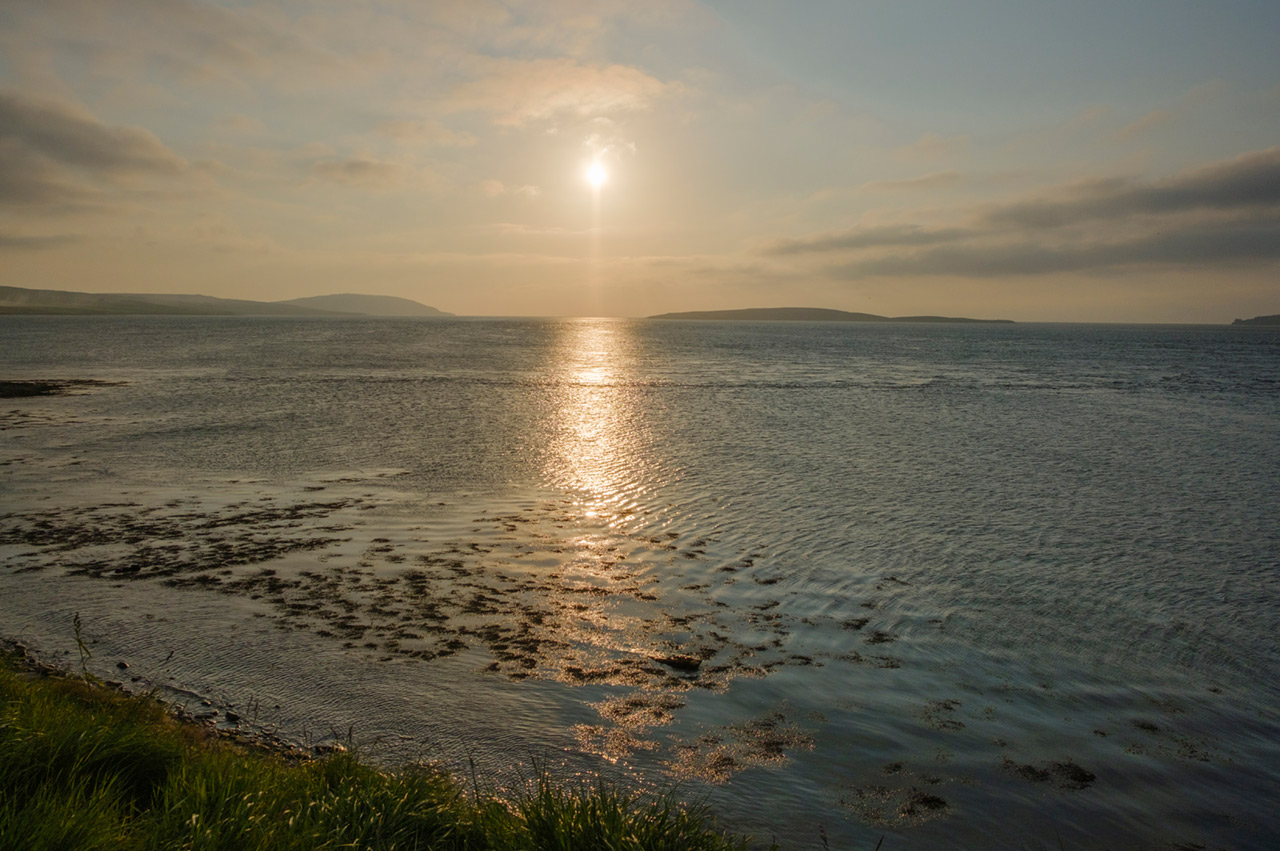
Eynhallow, frank, Eynhallow, free,
Eynhallow stands in the middle of the sea;
A roaring roost on every side –
Eynhallow stands in the middle of the tide.
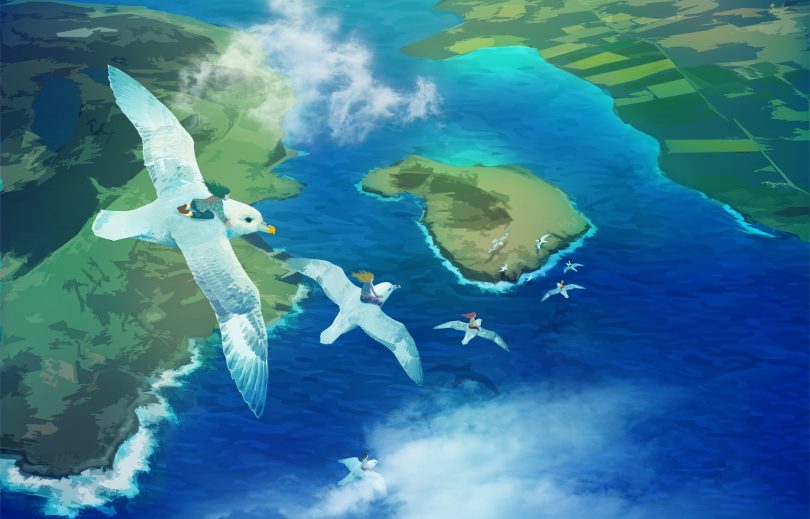
Eynhallow is the perfect home for fulmars, and it’s an island that few people are able to visit today. Back in 1950 a group of undergraduate students made a day visit during their Orkney field trip – and it’s led to one of the world’s longest-running wildlife population studies.
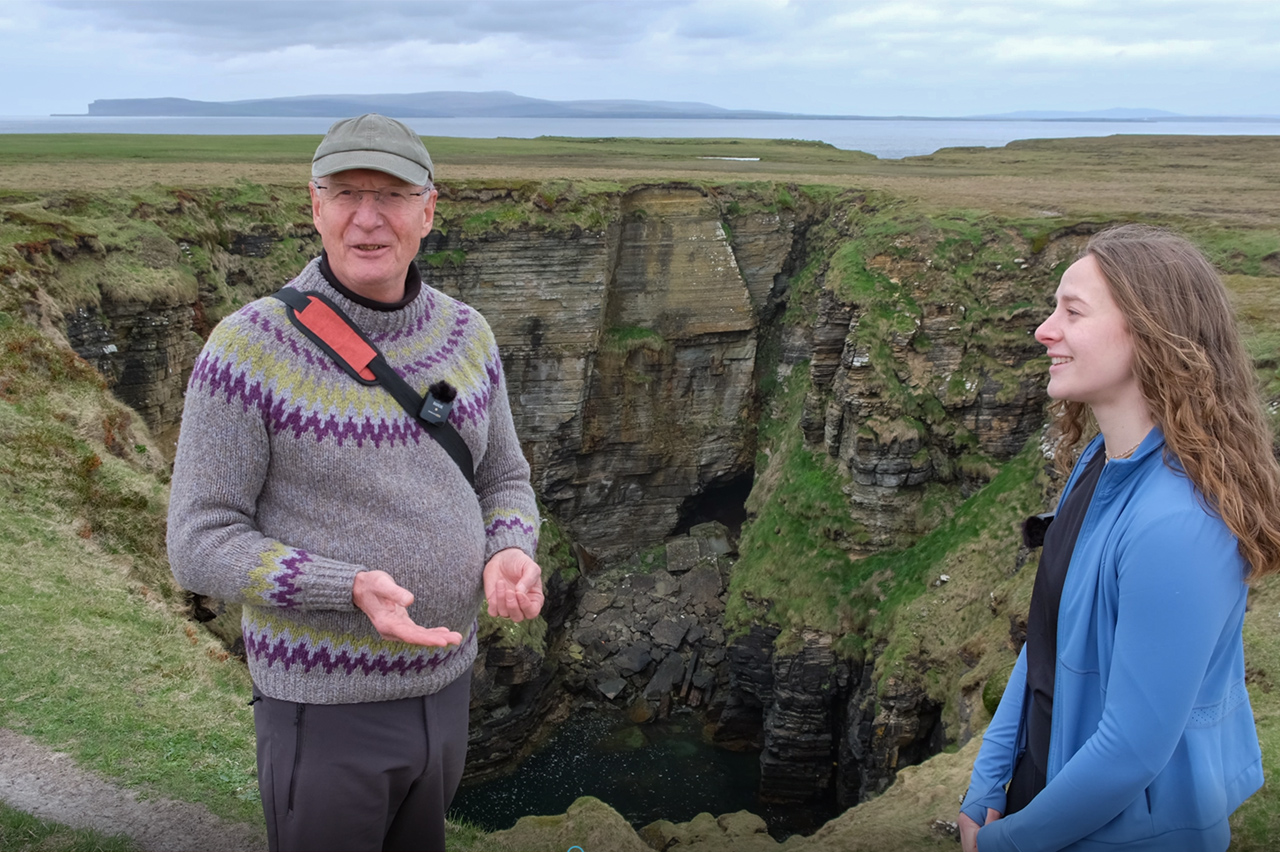
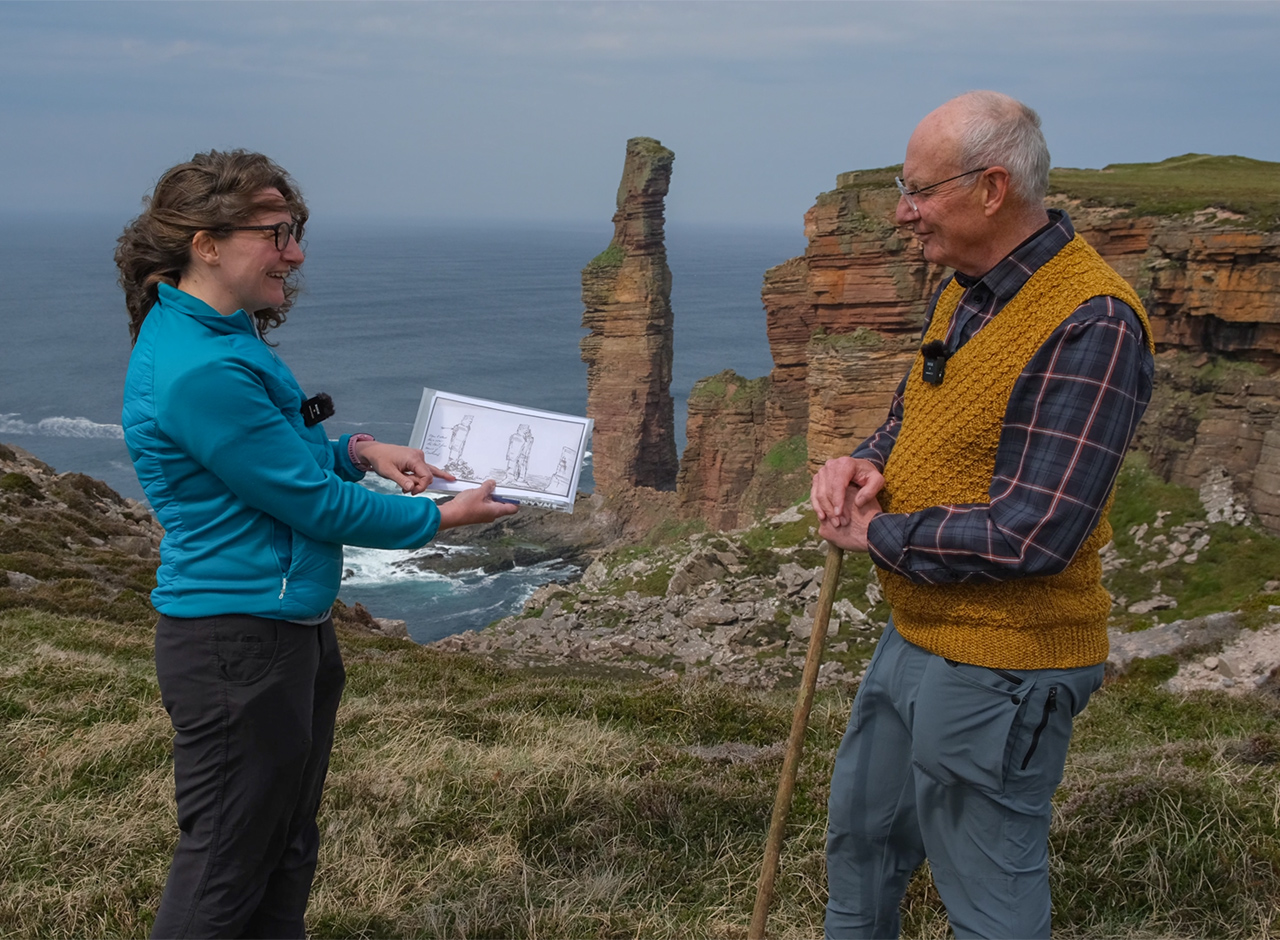
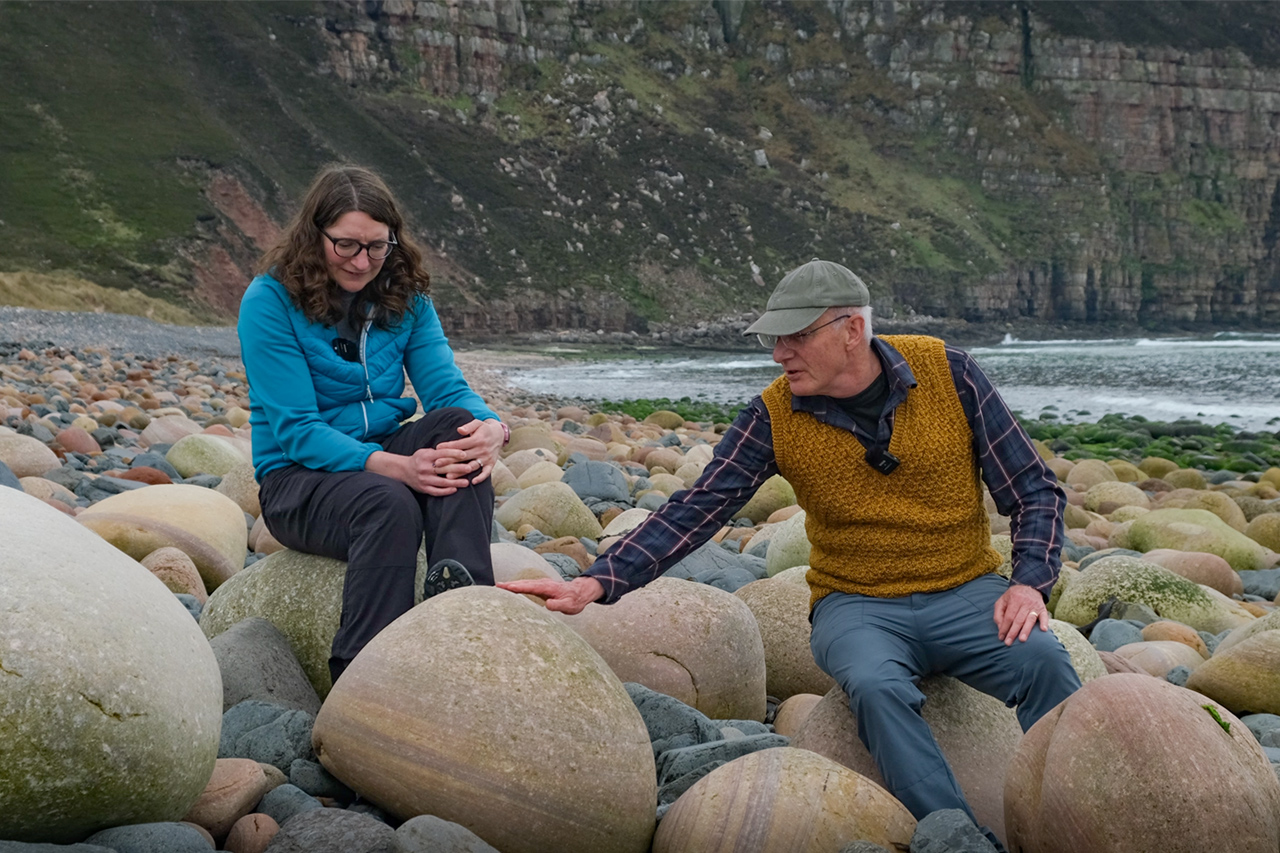
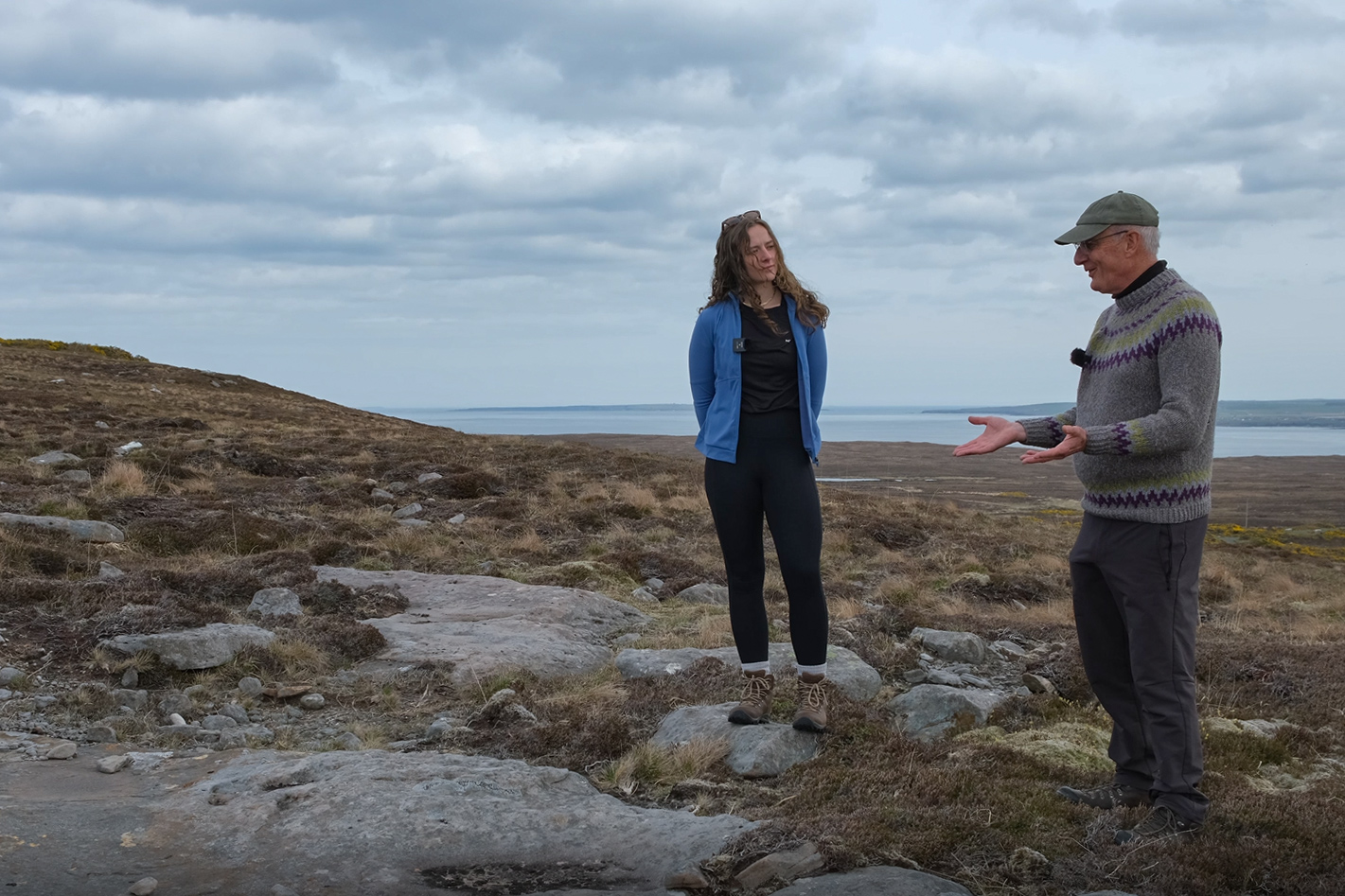
Another island in the tide is Stroma, off the Caithness coast with the full power of the Pentland Firth pouring past. We were able to go there for the making of a new film for the Festival, telling the story of how the Pentland Firth itself was formed. The journey took us along the coast of Caithness and across to Hoy, rounding off with the story of the formation of the Old Man. We’ll be showing the film in this year’s festival.
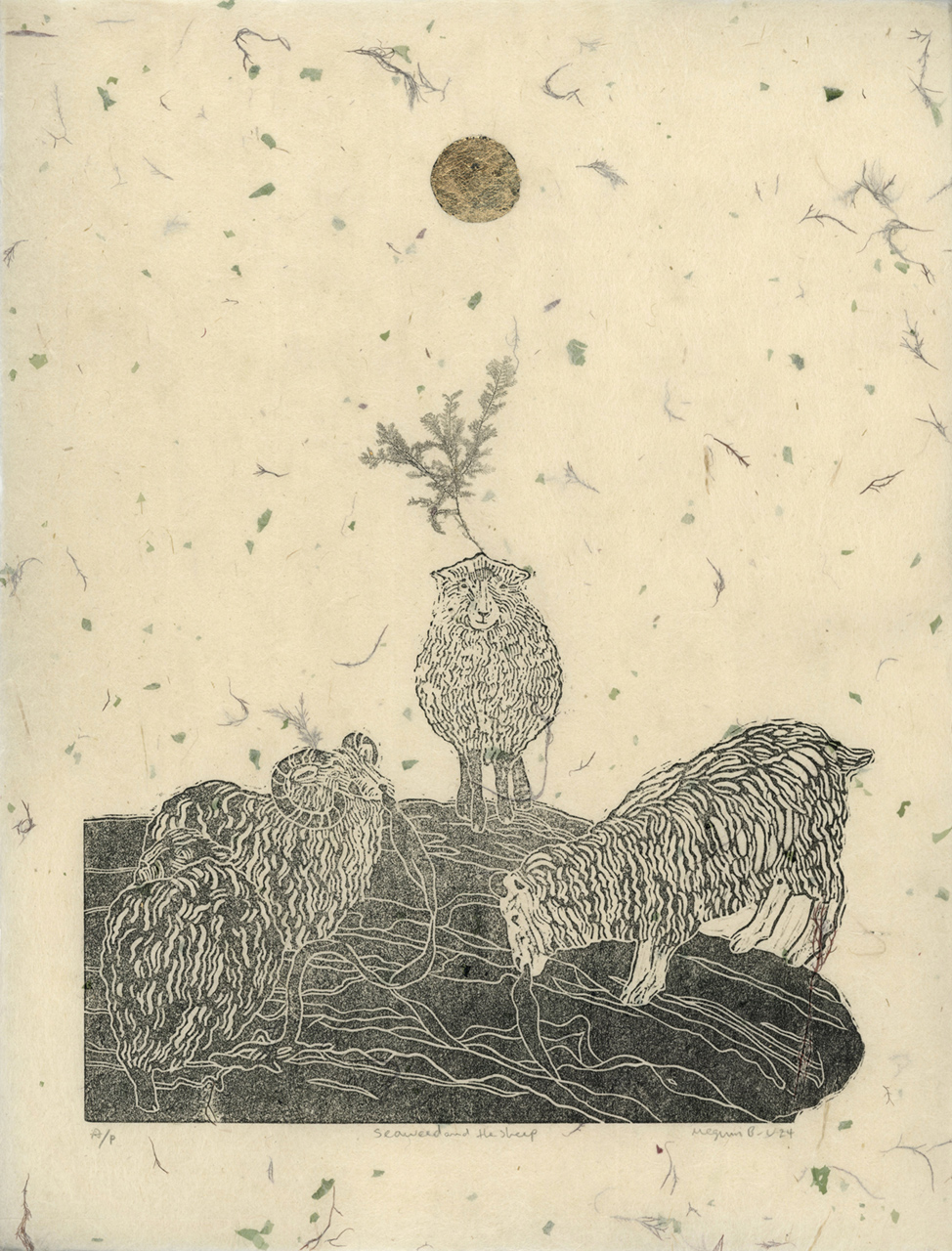
It’s 150 years since the birth of Sir Ernest Shackleton, who led one of the most remarkable rescues of all time. With his ship Endurance crushed in ice, and all from it trapped on desolate Elephant Island, Shackleton took a small group with him in the ship’s lifeboat, through 800 miles of open sea beset by waves and storms, followed by a crossing of the mountains of South Georgia. An Italian artist has painted images of the Shackleton expedition, which will be on view in the nave of St Magnus Cathedral. It’s one of a rich mix of exhibitions this year which range from discovering comets to harvesting seaweed, as you can see on our Exhibitions page.

We’ll also hear the story of William Thomson. He made a host of discoveries and his inventions earned him a fortune – from which he bought a schooner. In Madeira he taught a lady the art of flag signalling, and on his return to the island he flagged the message “Will you marry me?” – and she flagged back a “Yes!” Born 200 years ago, he was a professor at 22, and later the first British scientist in the House of Lords, as Lord Kelvin. We will feature the story of his life and work, and also his role in the laying of the first successful transatlantic cable.
The tickets are now on sale. To find out more about the many events, here’s a direct link to the programme.